
 BitFlip27
Artificial intelligence, cloud computing, streaming services, online banking, telemedicine, autonomous vehicles, and modern business operations all depend on one critical piece of infrastructure: data centers.
While most people never see them, data centers have become as essential to the modern economy as highways, airports, and power plants. Every time you use ChatGPT, watch Netflix, upload a photo to the cloud, process a credit card payment, or attend a Zoom meeting, a data center is working behind the scenes.
Today, the world is experiencing an unprecedented surge in demand for data centers, particularly AI data centers. Fueled largely by artificial intelligence and cloud computing, governments and technology companies are investing hundreds of billions of dollars into new facilities across North America, Europe, Asia, and the Middle East.
Yet despite their importance, many communities are actively opposing new data center projects. Across the United States and other countries, residents are raising concerns about electricity consumption, water usage, noise pollution, land development, tax incentives, and environmental impacts.
Why is the world demanding more data centers than ever before? And why are local communities increasingly saying “not in my backyard”?
Let’s explore both sides of one of the most important infrastructure debates of the AI era.
Why Data Center Demand Is Exploding
The primary driver behind today’s data center boom is artificial intelligence.
Large AI systems require enormous computing power to train and operate. Unlike traditional applications, modern AI models rely on thousands of advanced processors running continuously in highly specialized facilities.
According to the International Energy Agency (IEA), electricity demand from data centers surged by approximately 17% in 2025 alone, significantly outpacing overall global electricity demand growth. AI-focused facilities are growing even faster than traditional cloud data centers. The IEA projects that global data center electricity consumption could nearly double by 2030 as AI adoption accelerates worldwide.
Cloud computing is another major factor.
Businesses are moving applications, databases, backups, and software services into the cloud at record rates. Instead of maintaining their own servers, organizations increasingly rely on hyperscale providers such as Amazon Web Services (AWS), Microsoft Azure, and Google Cloud.
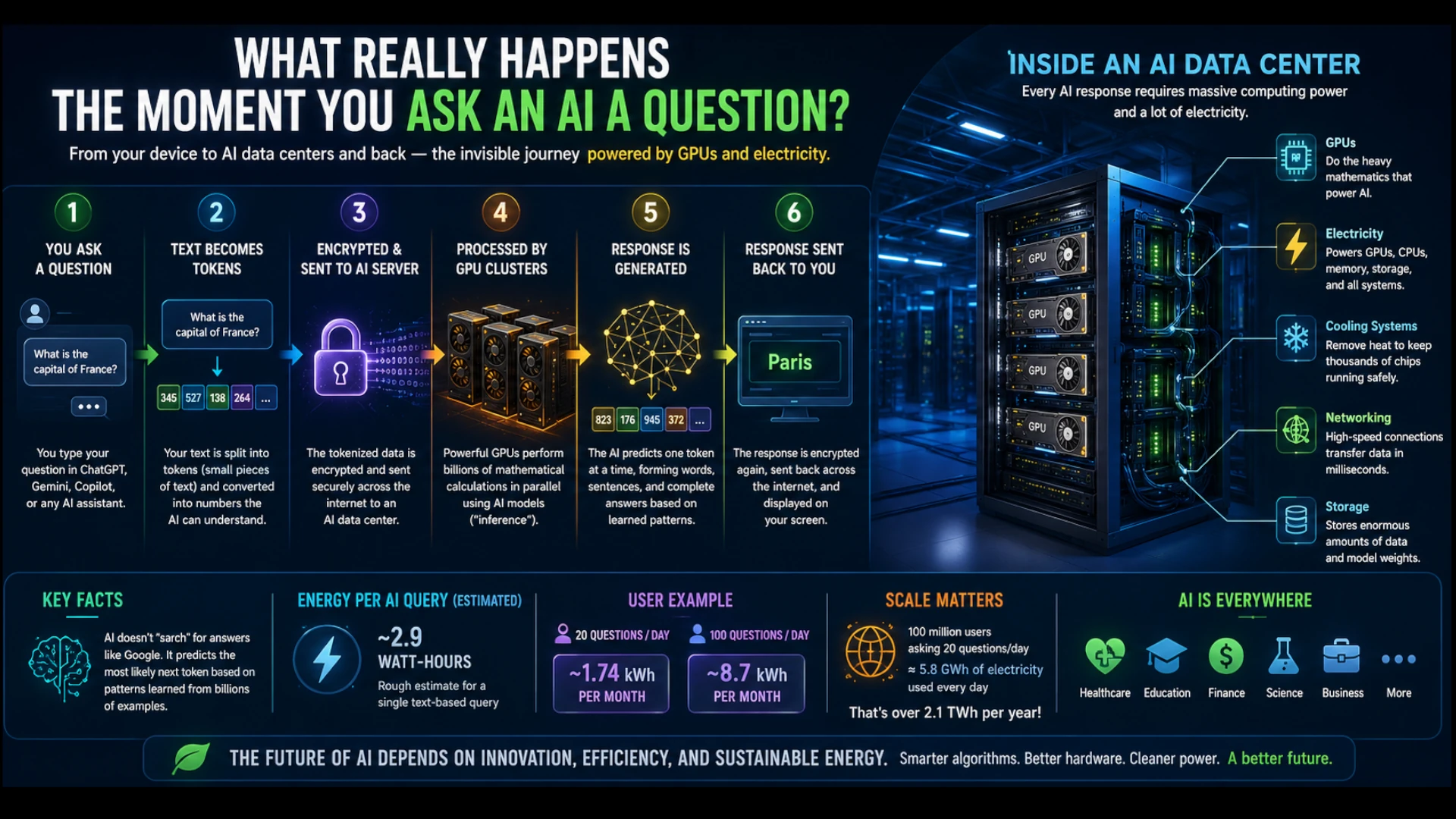
The rise of AI data centers is transforming the technology landscape, meeting the needs of various industries.
As a result, global data center capacity under construction more than doubled in 2025, reaching approximately 31.7 gigawatts of capacity worldwide. Roughly 80% of this construction activity is concentrated in the Americas, where demand for AI infrastructure continues to soar.
Investment levels are equally staggering.
Industry analysts estimate that data center construction spending in the United States alone could exceed $70 billion per quarter between 2025 and 2028. Major financial institutions, technology companies, and infrastructure funds are pouring capital into AI-focused facilities because they view digital infrastructure as one of the defining growth opportunities of the next decade.
Check out these other publications
 |  |
Why Data Centers Matter
Although data centers often appear as large warehouse-like buildings, they are far more than simple storage facilities.
They enable:
- Artificial intelligence systems
- Cloud computing platforms
- Online banking
- E-commerce
- Streaming services
- Healthcare technologies
- Government services
- Scientific research
- Telecommunications networks
- Cybersecurity operations
Without modern data centers, much of today’s digital economy would simply stop functioning.
Many experts compare today’s data center expansion to the construction of railroads during the Industrial Revolution or interstate highways during the twentieth century.
In many ways, data centers are becoming the infrastructure backbone of the AI economy.
Why Communities Are Pushing Back
Despite the economic importance of data centers, local opposition is growing rapidly.
Recent national polling found that only about one-third of Americans support the rapid construction of AI-driven data centers, while a majority oppose having one built in their own community. Surveys indicate that concerns about electricity usage, water consumption, environmental impacts, and limited job creation are driving much of this resistance.
1. Massive Electricity Consumption
One of the biggest concerns is power demand.
AI facilities require extraordinary amounts of electricity. Industry forecasts suggest that data center power demand could increase dramatically over the next decade, with some estimates projecting growth of more than 165% by 2030 compared to 2023 levels.
Residents often worry that:
- Electricity prices may rise
- Local power grids may become strained
- Utilities may need expensive infrastructure upgrades
- Fossil fuel generation could increase
Many communities fear that ordinary households will ultimately pay the cost of supporting large technology projects.
2. Water Usage Concerns
Cooling servers generates significant heat, and many facilities rely on water-based cooling systems.
Large operators have begun disclosing water usage figures, revealing the enormous scale involved. For example, Amazon reported that its global data center operations used approximately 2.5 billion gallons of water during 2025. While the company has implemented efficiency improvements and sustainability programs, the sheer magnitude of water consumption has intensified public scrutiny.
This issue becomes especially sensitive in drought-prone regions where water resources are already under pressure.
3. Noise Pollution
Many residents are surprised to learn that data centers can generate substantial noise.
Cooling systems, industrial fans, backup generators, and mechanical equipment often operate continuously. In some communities, residents have complained about persistent noise levels and concerns regarding property values. Environmental organizations and policy researchers have increasingly highlighted noise as a major source of local opposition.
4. Tax Incentives and Economic Questions
Another frequent criticism involves public subsidies.
Many states and municipalities offer tax incentives to attract data center investment. Critics argue that these incentives sometimes deliver limited returns because data centers typically employ far fewer people than manufacturing plants or large commercial developments.
Researchers note that public concerns often center on whether communities are receiving enough economic benefit in exchange for land use, infrastructure demands, and public incentives.
5. Environmental Impact
Environmental advocates point to several concerns:
- Increased electricity consumption
- Carbon emissions associated with power generation
- Water usage
- Land development
- Air pollution from backup generators
Recent academic research has estimated that U.S. hyperscale data centers account for a meaningful and growing share of national electricity consumption, raising important questions about sustainability and energy planning.
The Other Side of the Debate
While community concerns are legitimate, there is also a strong argument that modern societies cannot afford to stop building data centers.
Demand for digital services continues to grow.
Artificial intelligence is transforming healthcare, engineering, education, scientific research, transportation, cybersecurity, and countless other industries. Every breakthrough in AI requires computing infrastructure.
Without sufficient data center capacity:
- AI innovation slows
- Cloud services become more expensive
- Economic competitiveness suffers
- Digital services become less reliable
- Technological leadership may shift to other countries
Many policymakers argue that data centers are becoming strategic national assets, similar to energy infrastructure, telecommunications networks, and transportation systems.
The challenge is not whether to build them, but how to build them responsibly.
Finding a Better Balance
The growing conflict between digital infrastructure needs and community concerns suggests that a new approach is necessary.
Successful projects increasingly focus on:
- Greater transparency regarding energy and water usage
- Investments in renewable energy
- Community engagement before construction begins
- Noise mitigation technologies
- Responsible land-use planning
- Local workforce development programs
- Clear reporting of environmental impacts
Industry leaders are beginning to recognize that communities expect more than promises of future growth. Residents want measurable benefits, transparency, and accountability.
As AI adoption accelerates, the data center industry will likely face increasing pressure to become a better neighbor.
Analysis
The world is entering a new era of digital infrastructure development.
Artificial intelligence, cloud computing, and global connectivity are creating unprecedented demand for data centers. These facilities are essential for economic growth, innovation, and the technologies that increasingly shape our daily lives.
At the same time, communities are asking difficult but important questions about electricity consumption, water usage, environmental sustainability, and public incentives.
Neither side is entirely wrong.
The future will require a balance between technological progress and responsible community development. The communities and companies that successfully find that balance will help define the next chapter of the digital economy.
Data centers may be invisible to most people, but the debate surrounding them is becoming one of the most visible infrastructure discussions of the AI age.
The Rise of Hyperscale Data Centers
To fully understand the unprecedented demand for data centers, it is important to understand the concept of hyperscale infrastructure.
A hyperscale data center is a facility designed to scale rapidly and efficiently, often containing tens of thousands of servers operating simultaneously. These facilities are typically owned and operated by the world’s largest technology companies, including Amazon Web Services (AWS), Microsoft Azure, Google Cloud, Meta, Oracle Cloud Infrastructure, and other major providers.
Unlike traditional enterprise data centers that serve a single organization, hyperscale facilities support millions of users and businesses around the globe. They process enormous volumes of data every second, powering everything from social media platforms and search engines to cloud applications and artificial intelligence systems.
The rapid growth of cloud computing has transformed how businesses operate. Twenty years ago, most organizations maintained their own server rooms or private data centers. Today, companies increasingly rely on cloud providers to host websites, applications, databases, backups, and digital services.
This shift has created a powerful demand cycle. As more businesses migrate to the cloud, providers need additional infrastructure. As providers build more infrastructure, cloud services become more accessible and affordable, encouraging even more businesses to migrate.
Artificial intelligence has accelerated this cycle dramatically.
How Artificial Intelligence Changed Everything
For decades, data center growth followed a relatively predictable pattern driven by internet usage, streaming services, mobile devices, and cloud computing. Artificial intelligence changed that trajectory almost overnight.
Modern AI models require vastly more computing resources than traditional software applications. Training a large language model can involve processing trillions of data points across thousands of graphics processing units (GPUs) operating continuously for weeks or months.
Even after training is complete, AI systems continue to consume significant computational resources every time users interact with them.
When someone asks a chatbot a question, generates an image, translates text, creates software code, or analyzes a document, powerful servers located in data centers perform complex calculations in real time.
Multiply that activity by hundreds of millions of users worldwide, and the infrastructure requirements become enormous.
Industry experts often describe AI as the most significant driver of data center construction since the birth of the internet itself.
Major technology companies have announced plans to invest hundreds of billions of dollars in AI infrastructure over the next decade. These investments include new data centers, advanced processors, networking equipment, power infrastructure, and cooling technologies.
The race to build AI infrastructure has become a global competition.
Countries increasingly view advanced computing capabilities as a strategic national asset, similar to energy independence, telecommunications infrastructure, or transportation networks.
Why Companies Are Racing to Build New Facilities
The demand for computing power is now growing faster than available capacity in many regions.
Technology companies face pressure from customers who expect instant access to cloud services, AI tools, streaming platforms, and online applications. Any shortage of computing capacity can result in delays, higher costs, and reduced competitiveness.
As a result, organizations are aggressively pursuing new development opportunities.
Several factors are driving this construction boom:
Expansion of Artificial Intelligence
The deployment of generative AI technologies requires significant processing power and specialized hardware. Organizations are building facilities specifically designed for AI workloads.
Increased Cloud Adoption
Businesses continue migrating applications from on-premises infrastructure to public cloud environments.
Growth of Digital Services
Online shopping, remote work, telemedicine, video conferencing, gaming, and streaming continue expanding worldwide.
Data Sovereignty Requirements
Governments increasingly require certain data to remain within national borders, creating demand for regional facilities.
Edge Computing
Some applications require low-latency processing closer to end users, encouraging the development of additional facilities in new geographic markets.
Together, these trends create a perfect storm of infrastructure demand.
The Energy Challenge Facing the Industry
One of the most significant challenges facing data center operators is electricity availability.
Building a modern facility is often easier than securing enough power to operate it.
Many electrical grids were not designed to support the rapid expansion of large-scale computing infrastructure. In some regions, utilities face years-long delays in connecting new facilities because existing transmission systems lack sufficient capacity.
Technology companies are therefore exploring a variety of solutions.
These include:
- Renewable energy projects
- Battery storage systems
- Natural gas generation
- Small modular nuclear reactors
- Advanced grid management technologies
- Long-term power purchase agreements
The relationship between data centers and energy infrastructure is becoming increasingly interconnected.
Many experts believe that future economic growth will depend not only on technological innovation but also on the ability to generate and distribute sufficient electricity.
In some ways, the AI revolution is also becoming an energy revolution.
Can Renewable Energy Meet Future Demand?
Renewable energy is expected to play a major role in powering future data centers.
Technology companies have become some of the largest purchasers of renewable energy in the world. Solar farms, wind projects, and battery storage systems are increasingly being developed specifically to support digital infrastructure.
Supporters argue that data centers can actually accelerate renewable energy development by creating large, stable demand for clean electricity.
Critics, however, point out that renewable energy sources can be intermittent. Solar panels do not generate electricity at night, and wind production varies based on weather conditions.
As a result, many experts believe that a combination of energy sources will be necessary to support future growth.
The debate over how to power AI infrastructure may become one of the most important energy discussions of the coming decade.
The Return of Nuclear Energy
One of the most surprising developments in the data center industry has been renewed interest in nuclear power.
For years, nuclear energy remained a controversial topic in many countries. However, the massive energy requirements of AI infrastructure have caused governments and technology companies to reconsider its role.
Nuclear power offers several advantages:
- Continuous electricity generation
- Low carbon emissions
- High reliability
- Minimal land usage compared to some renewable sources
Several technology companies have announced partnerships and investments related to advanced nuclear technologies and small modular reactors.
Although these projects remain in early stages, many industry analysts believe nuclear power could become an important component of future data center energy strategies.
Economic Benefits for Communities
While concerns about data centers often receive significant attention, many communities have also experienced substantial economic benefits from these projects.
Construction of a large facility can generate thousands of temporary jobs during development.
These projects often require:
- Electricians
- Engineers
- Construction workers
- HVAC specialists
- Security personnel
- Project managers
- Telecommunications experts
After completion, facilities continue generating economic activity through maintenance, operations, infrastructure improvements, and local service contracts.
Many municipalities also benefit from increased tax revenues that support schools, public safety, transportation, and community services.
In some cases, data center investments have revitalized former industrial areas that had struggled economically for decades.
The economic outcomes vary significantly depending on local policies and project structures, but many communities view data centers as an opportunity for long-term growth.
Addressing Community Concerns
The most successful projects often involve meaningful community engagement before construction begins.
Historically, some developers treated data centers as purely technical infrastructure projects. Today, many companies recognize the importance of building trust with local residents.
This includes:
- Public information sessions
- Environmental impact studies
- Noise mitigation plans
- Water conservation initiatives
- Traffic management strategies
- Infrastructure improvement commitments
Communities generally respond more positively when they understand how projects will affect their neighborhoods and what benefits they can expect in return.
Transparency has become increasingly important.
Residents want clear information about power consumption, water usage, environmental impacts, and economic contributions.
Organizations that proactively share this information often face less opposition than those that remain secretive.
The Future of Data Center Design
Future data centers may look very different from today’s facilities.
Engineers are developing innovative technologies to improve efficiency and reduce environmental impacts.
Examples include:
Liquid Cooling
Traditional air-cooling systems are becoming less effective as processors generate more heat.
Liquid cooling technologies can improve efficiency while reducing overall energy consumption.
AI-Driven Operations
Ironically, artificial intelligence is being used to optimize data center performance.
AI systems can manage cooling, energy consumption, workload distribution, and maintenance schedules more efficiently than traditional methods.
Advanced Building Materials
New construction techniques may reduce environmental impacts while improving operational performance.
Water-Free Cooling Technologies
Researchers are developing systems designed to reduce or eliminate dependence on water-intensive cooling methods.
Waste Heat Recovery
Some facilities are exploring ways to capture excess heat and redirect it for residential heating, industrial processes, or agricultural applications.
These innovations could significantly improve sustainability while supporting future growth.
Why Data Centers Are Becoming Critical National Infrastructure
Governments increasingly recognize data centers as essential infrastructure.
Economic competitiveness, cybersecurity, national defense, scientific research, and technological innovation all depend on reliable computing resources.
As artificial intelligence becomes more integrated into daily life, access to advanced computing infrastructure may influence global economic leadership.
Countries that successfully develop digital infrastructure could gain advantages in:
- Artificial intelligence research
- Biotechnology
- Advanced manufacturing
- Cybersecurity
- Financial services
- National security
- Scientific discovery
This reality explains why governments worldwide are competing to attract technology investment.
Data centers are no longer viewed merely as warehouses full of servers.
They are increasingly seen as strategic assets that support economic development and technological advancement.
Looking Ahead: The Next Decade of Growth
The next ten years are likely to bring extraordinary growth in digital infrastructure.
Artificial intelligence adoption continues accelerating across nearly every industry. Businesses are becoming more data-driven. Consumers are generating more digital content than ever before. Emerging technologies such as autonomous vehicles, robotics, smart cities, augmented reality, and advanced healthcare systems will require even greater computing capabilities.
As a result, demand for data centers is expected to remain strong for the foreseeable future.
The challenge facing society is not whether data centers should be built.
The challenge is determining how to build them responsibly, sustainably, and in a manner that benefits both the global digital economy and the communities where these facilities operate.
The most successful organizations will be those that balance technological progress with environmental stewardship, transparency, and community engagement.
As artificial intelligence reshapes the world, data centers will continue serving as the invisible foundation supporting innovation, communication, and economic growth for billions of people across the globe.
Credible Resources (Full URLs)
International Energy Agency (IEA)
- https://www.iea.org/news/data-centre-electricity-use-surged-in-2025-even-with-tightening-bottlenecks-driving-a-scramble-for-solutions
- https://www.iea.org/reports/energy-and-ai/energy-demand-from-ai
Harvard Gazette
World Resources Institute (WRI)
- https://www.wri.org/insights/us-data-center-growth-impacts
- https://www.wri.org/insights/us-data-centers-electricity-demand